When a vehicle breaks down or gets damaged in an accident, towing becomes necessary. Towing helps move the vehicle safely from the roadside to a repair shop, home, or another location. Two common towing methods are used for this purpose. These are flatbed towing and regular towing.
Many drivers are not familiar with the difference between these methods. Understanding how each towing type works helps you choose the safest option for your vehicle.
What Is Flatbed Towing
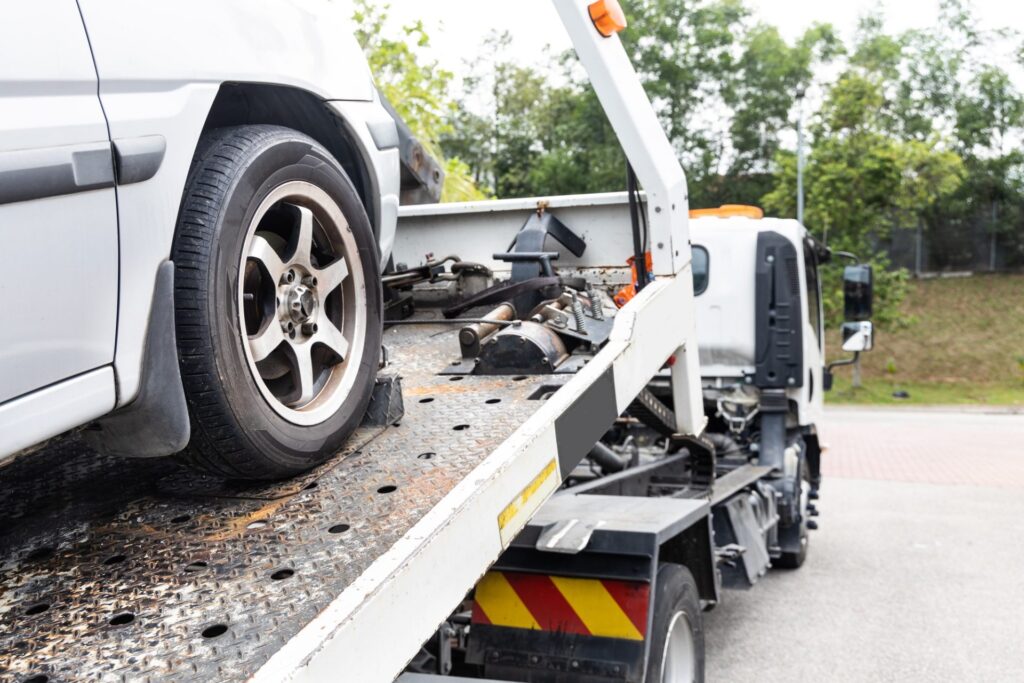
Flatbed towing uses a special truck with a long flat platform on the back. The vehicle is completely loaded onto this platform so that all four wheels remain off the ground during transport.
The flatbed truck usually has a hydraulic system that tilts the platform. The operator lowers the ramp and carefully drives or pulls the vehicle onto the platform. Once the vehicle is positioned correctly, strong straps secure the wheels to prevent movement during transport.
Flatbed towing is widely used because it provides a high level of protection for vehicles.
What Is Regular Towing
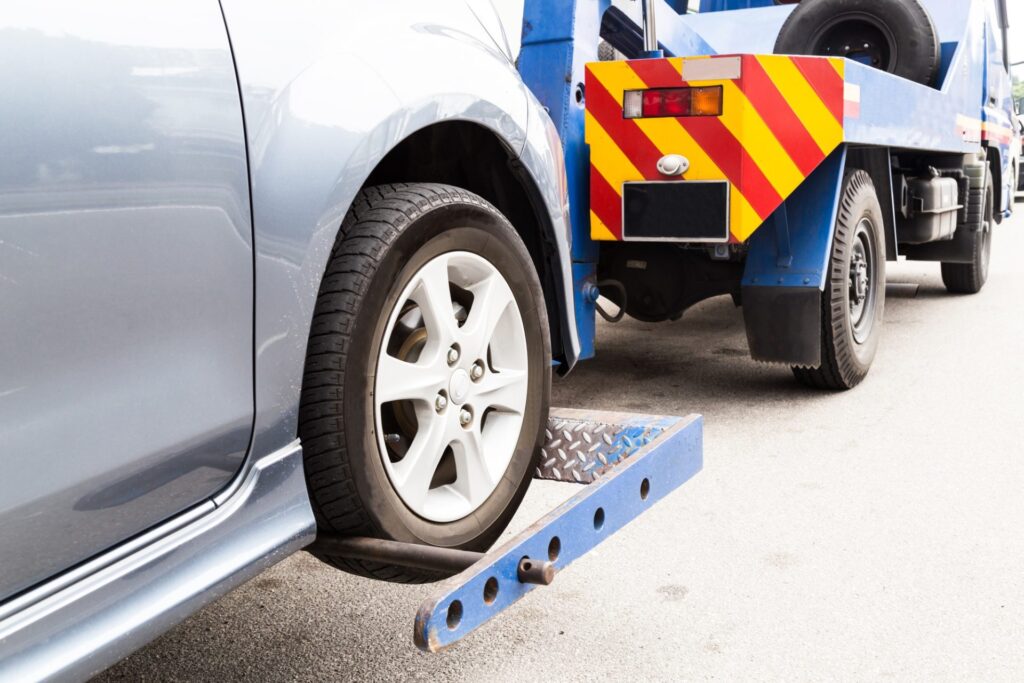
Regular towing usually refers to tow trucks that lift only two wheels of the vehicle off the ground while the other two wheels remain on the road.
In many cases this method uses a wheel lift or hook and chain system. The front or rear wheels of the vehicle are lifted while the remaining wheels roll on the road as the tow truck moves.
Regular towing is often used for short distance towing within cities. It is commonly used for quick roadside recoveries when the vehicle needs to be moved to a nearby repair shop.
Key Differences Between Flatbed and Regular Towing
Both towing methods serve the same basic purpose. However the way they transport the vehicle is different.
Flatbed towing carries the entire vehicle on the truck platform. Regular towing pulls the vehicle behind the tow truck with two wheels touching the road.
Flatbed towing protects the vehicle from road contact. Regular towing allows part of the vehicle to remain in contact with the road surface.
These differences affect vehicle safety, towing cost, and the situations where each method works best.
Advantages of Flatbed Towing
Flatbed towing offers several benefits that make it the preferred method for many towing companies and vehicle owners.
Better vehicle protection
Since the entire vehicle stays on the flatbed platform, there is no contact between the tyres and the road. This prevents wear on the tyres and reduces the chance of damage to the suspension or drivetrain.
Safer for long distance transport
Flatbed trucks provide a stable platform for long distance vehicle transport. Vehicles remain securely fastened and protected throughout the journey.
Suitable for damaged vehicles
If a vehicle has serious mechanical damage or broken wheels, flatbed towing allows it to be transported without relying on the vehicle’s rolling ability.
Ideal for luxury vehicles
Luxury cars, sports cars, and low ground clearance vehicles often require flatbed towing to avoid body damage during transport.
Advantages of Regular Towing
Regular towing also has benefits in certain situations.
Quick loading in tight spaces
Wheel lift tow trucks can operate easily in narrow streets, parking lots, and crowded areas where flatbed trucks may have difficulty maneuvering.
Faster roadside recovery
In simple breakdown situations where the vehicle needs to be moved a short distance, regular towing may be faster.
Lower cost for short distances
Regular towing can sometimes be less expensive because the equipment is simpler and loading time may be shorter.
However the suitability of regular towing depends on the type of vehicle and the distance of transport.
Which Vehicles Should Use Flatbed Towing
Flatbed towing is recommended for many modern vehicles because it reduces mechanical risks.
Vehicles that often require flatbed towing include:
Luxury vehicles
Sports cars
All wheel drive vehicles
Four wheel drive vehicles
Vehicles with transmission damage
Vehicles involved in major accidents
These vehicles may suffer mechanical damage if they are pulled using regular towing methods.
Flatbed towing eliminates this risk by lifting the entire vehicle.
When Regular Towing Can Be Used
Regular towing may still be suitable in certain situations.
Short distance towing inside cities
Vehicles with minor mechanical problems
Quick roadside assistance situations
Cars parked in tight locations
In these cases the tow truck may only need to move the vehicle a short distance to a repair facility.
Professional operators evaluate the condition of the vehicle before deciding the best towing method.
Risk of Damage With Incorrect Towing
Improper towing can cause serious damage to a vehicle. Modern cars have complex transmissions, electronic systems, and suspension components that may be affected by incorrect towing methods.
For example, towing an all wheel drive vehicle with two wheels on the road may damage the drivetrain system.
Similarly, low ground clearance vehicles may suffer bumper or body damage if not loaded properly.
Using the correct towing method protects the vehicle and prevents additional repair costs.
Why Professional Towing Services Matter
Professional towing companies use trained operators and proper equipment. They evaluate the condition of the vehicle before choosing the appropriate towing method.
Experienced operators know how to secure vehicles properly and transport them without causing damage.
Reliable towing services also carry the necessary tools to handle different recovery situations.
Choosing a professional towing company ensures that your vehicle is handled safely.
Factors That Influence the Best Towing Method
Several factors determine whether flatbed towing or regular towing should be used.
Vehicle type
Vehicle condition
Distance of transport
Road conditions
Location of the vehicle
For example, a luxury vehicle being transported between cities will usually require flatbed towing. A small car that broke down near home may be towed using a wheel lift truck.
Professional towing operators consider these factors before beginning the recovery process.
Cost Comparison Between the Two Methods
Flatbed towing often costs slightly more than regular towing because it requires specialized trucks and equipment.
However the additional cost often provides better protection for the vehicle.
Regular towing may be cheaper for short distances but it may not always be suitable for every vehicle.
Choosing the cheaper option without considering vehicle safety can lead to higher repair costs later.
Which Towing Method Is Better
For most situations, flatbed towing is considered the safer option. It protects the vehicle completely during transport and reduces mechanical risks.
Regular towing can still be useful for short distance recovery or when operating in tight spaces.
The best towing method depends on the vehicle type and the situation.
Professional towing services usually recommend flatbed towing when safety and vehicle protection are the top priority.
Final Thoughts
Understanding the difference between flatbed towing and regular towing helps drivers make informed decisions during roadside emergencies.
Flatbed towing offers maximum protection because the entire vehicle stays on a secure platform. Regular towing may work for short distances or quick roadside recoveries.
Choosing the right towing method protects your vehicle from additional damage and ensures safe transportation. When in doubt, consulting a professional towing service is always the best option.