A car breakdown can happen at any time. It may happen while driving in the city, on a highway, or during a long trip. Mechanical problems, flat tyres, battery issues, or engine failure can stop a vehicle suddenly. When this happens many drivers panic and make quick decisions that may not be safe.
Knowing the correct steps to take during a breakdown helps you stay safe and manage the situation properly until help arrives.
Stay Calm and Assess the Situation
The first thing you should do when your car breaks down is remain calm. Panic can lead to poor decisions that increase risk.
Pay attention to what is happening with the vehicle. You may notice warning lights on the dashboard, smoke from the engine, unusual sounds, or a sudden loss of power.
Understanding the symptoms helps you decide the next step.
If the vehicle is still moving, slow down gradually and prepare to move the car to a safe location.
Move the Vehicle to a Safe Location
If possible, guide your vehicle to the side of the road. Parking on the roadside reduces the risk of blocking traffic.
Good places to stop include:
The road shoulder
Parking areas
Fuel stations
Service areas
Avoid stopping in the middle of the road unless the vehicle cannot move at all.
On highways you should move the car to the emergency lane if one is available.
Turn On Hazard Lights
Hazard lights are an important safety feature during breakdown situations. Turn them on as soon as the vehicle begins to experience trouble.
Hazard lights alert other drivers that your car is not moving normally. This warning helps drivers slow down or change lanes safely.
Keep the hazard lights on until the vehicle is repaired or towed away.
Place a Warning Triangle
A reflective warning triangle helps alert drivers approaching from behind. If you have a warning triangle in your vehicle, place it behind the car.
The triangle should be placed around 20 to 30 meters behind the vehicle on city roads. On highways the distance should be greater so drivers have more time to react.
This simple safety tool reduces the chance of another vehicle colliding with your car.
Check for Simple Problems
Once the vehicle is safely parked, you can check for simple issues that may have caused the breakdown.
Some common problems include:
Flat tyre
Empty fuel tank
Loose battery terminals
Overheated engine
If the issue is simple and you have the tools, you may be able to fix it quickly.
For example, replacing a flat tyre with a spare wheel is a common roadside repair.
However if the problem involves the engine or electrical system, it is better to contact a professional mechanic or towing service.
Keep Passengers Safe
If you are traveling with passengers, their safety should be a priority. Ask them to step out of the vehicle carefully and move away from the road.
Standing close to moving traffic can be dangerous, especially on busy roads or highways.
Passengers should wait in a safe location while the problem is being addressed.
Children should stay close to adults at all times.
Avoid Attempting Major Repairs on the Road
Many drivers attempt to fix complex mechanical problems on the roadside. This can be risky and may cause additional damage to the vehicle.
Modern vehicles contain complex systems that require proper tools and training to repair.
Attempting major repairs without proper knowledge may worsen the problem.
If the cause of the breakdown is not clear, it is safer to call a professional service.
Contact Roadside Assistance or a Towing Service
If the vehicle cannot be repaired on the spot, the next step is to call a roadside assistance or towing service.
Provide clear details about your location so the recovery team can reach you quickly.
Useful location details include:
Street name
Highway number
Nearby landmarks
Toll plaza or exit numbers
Sharing your phone location can also help the towing team find you faster.
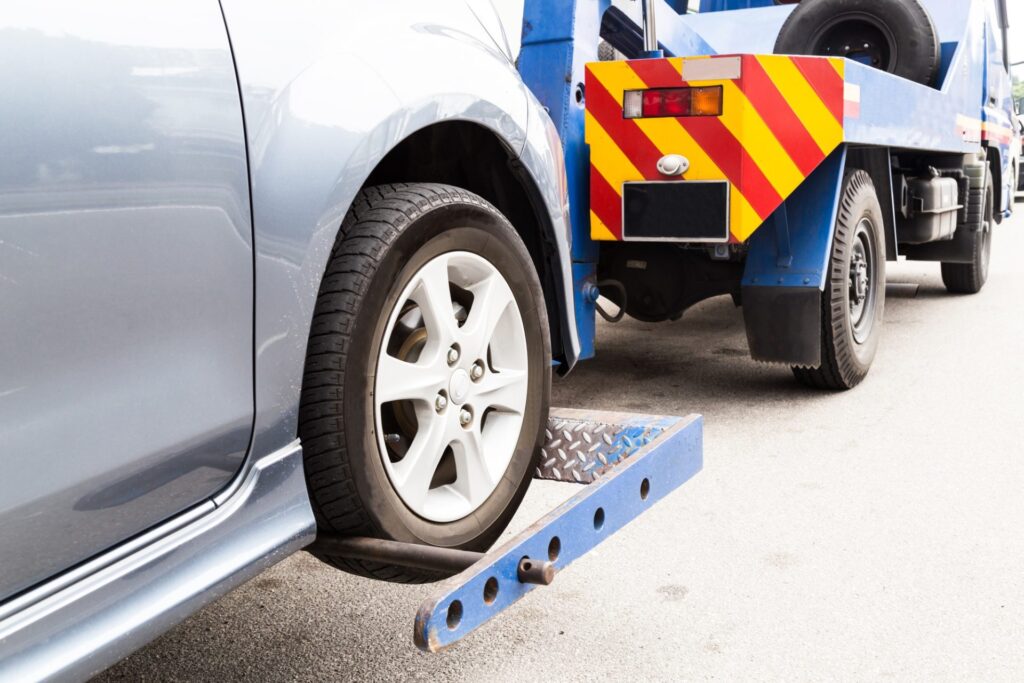
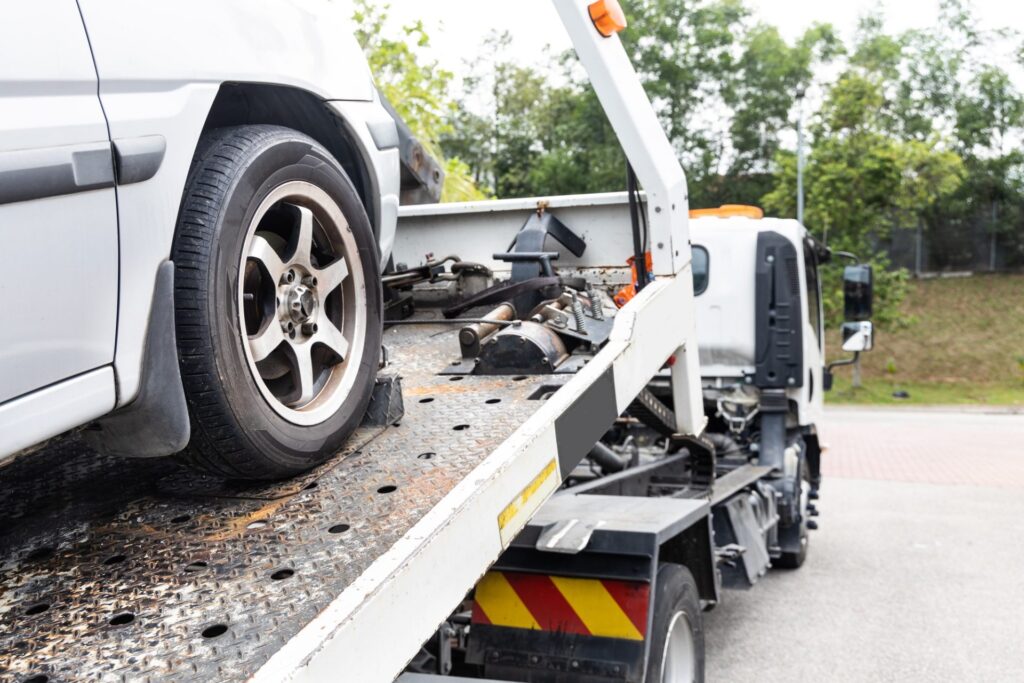
Professional towing services have the right equipment to move your vehicle safely to a workshop or repair center.
Stay Visible at Night
Breakdowns at night require extra caution because visibility becomes limited.
If your car breaks down after dark, keep the hazard lights on at all times. Use interior lights if necessary to make the vehicle more visible.
If you have a flashlight, keep it nearby. Reflective warning triangles are especially important during nighttime breakdowns.
Remaining visible to other drivers helps prevent accidents.
Keep an Emergency Kit in Your Vehicle
Every driver should carry basic emergency items in the vehicle. These tools can help manage breakdown situations more effectively.
Useful items include:
Reflective warning triangle
Flashlight
First aid kit
Phone charger or power bank
Jumper cables
Portable tyre inflator
These items take little space but can be extremely helpful during emergencies.
Regular Vehicle Maintenance Helps Prevent Breakdowns
Many breakdowns occur because vehicles are not maintained properly. Regular maintenance reduces the chances of sudden mechanical failure.
Important maintenance steps include:
Checking engine oil regularly
Maintaining proper tyre pressure
Inspecting the battery condition
Checking coolant levels
Servicing the vehicle at recommended intervals
A well maintained vehicle is less likely to break down unexpectedly.
Plan Ahead Before Long Trips
If you are planning a long drive, preparing your vehicle in advance is important.
Before starting a long journey you should:
Check tyre condition and pressure
Ensure the fuel tank is sufficient
Test headlights and brake lights
Confirm engine oil and coolant levels
Taking these precautions can help you avoid breakdown situations during travel.
Know When to Call Professional Help
Some vehicle problems cannot be fixed on the roadside. In such cases professional towing services are the safest solution.
Professional recovery teams use specialized equipment to move vehicles safely. They also ensure that your car reaches the repair facility without additional damage.
Trying to move a severely damaged vehicle without proper equipment may cause further mechanical problems.
Final Thoughts
Car breakdowns are an unfortunate but common part of driving. Even well maintained vehicles can develop problems unexpectedly.
The most important thing during a breakdown is safety. Moving the vehicle to a safe location, warning other drivers, protecting passengers, and contacting professional assistance are key steps.
Drivers who remain calm and follow proper safety procedures can handle breakdown situations effectively and reduce risks on the road.